20+
Years Of Experience
Grade Management That Prevents Erosion
Retaining Walls in North Port for properties managing slope transitions, drainage concerns, and landscape level changes
Retaining walls create functional transitions between different outdoor elevations while managing soil pressure and water movement on properties with grade changes. USA Concrete Services constructs retaining walls in North Port using methods determined by wall height, soil conditions, and site drainage patterns. The wall must resist lateral soil pressure, channel water away from retained soil, and remain stable under load without tilting or settling over time.
Wall construction involves excavating to stable bearing material, installing drainage systems behind the wall to prevent hydrostatic pressure buildup, and setting the wall with proper batter and base width to counteract soil forces. Southwest Florida's heavy seasonal rainfall makes drainage planning critical, as saturated soil increases lateral pressure and can destabilize walls lacking adequate drainage outlets. Walls above certain heights require engineered design to ensure structural adequacy, and local codes determine when stamped plans are mandatory.
Arrange a site consultation to discuss grade conditions, drainage pathways, and wall placement options for your property.
What Retaining Wall Construction Involves
The base must be compacted and level to prevent differential settling, and drainage material is placed behind the wall with outlets that direct water away from retained soil. Wall units are set with interlocking features or mortar joints depending on the material used, and backfill is compacted in lifts to avoid voids that allow soil to shift. These steps determine whether the wall remains plumb and stable or begins tilting and cracking within a few years.
Once the wall is complete, you'll notice cleaner transitions between yard elevations, reduced erosion on slopes, and defined borders that separate planting beds or lawn areas from retained soil. Water drains through and away from the wall rather than pooling behind it, and the finished appearance integrates with the landscape design.
Wall height and site conditions determine whether engineered design is required, and soil bearing capacity influences base width and reinforcement needs. Taller walls experience greater lateral forces and require deeper bases, thicker sections, or geogrid reinforcement to remain stable. Not all walls need engineering, but assuming structural adequacy without site-specific evaluation creates liability and performance risks.
Answers to Frequent Service Questions
Property owners planning retaining walls often ask about drainage requirements, wall height limits, and how site conditions affect construction approach.
What makes drainage critical for retaining walls in North Port?
Florida's seasonal rainfall saturates soil and increases hydrostatic pressure behind walls, and without drainage outlets, that pressure destabilizes the wall and causes tilting or structural failure.
How is the wall construction approach determined?
Wall height, soil type, slope conditions, and proximity to structures all influence base depth, wall thickness, drainage design, and whether engineered plans are required.
When does a retaining wall require engineered design?
Local codes and wall height thresholds determine when stamped engineering is mandatory, and soil conditions or surcharge loads may require engineering even for shorter walls.
What materials work best for retaining walls?
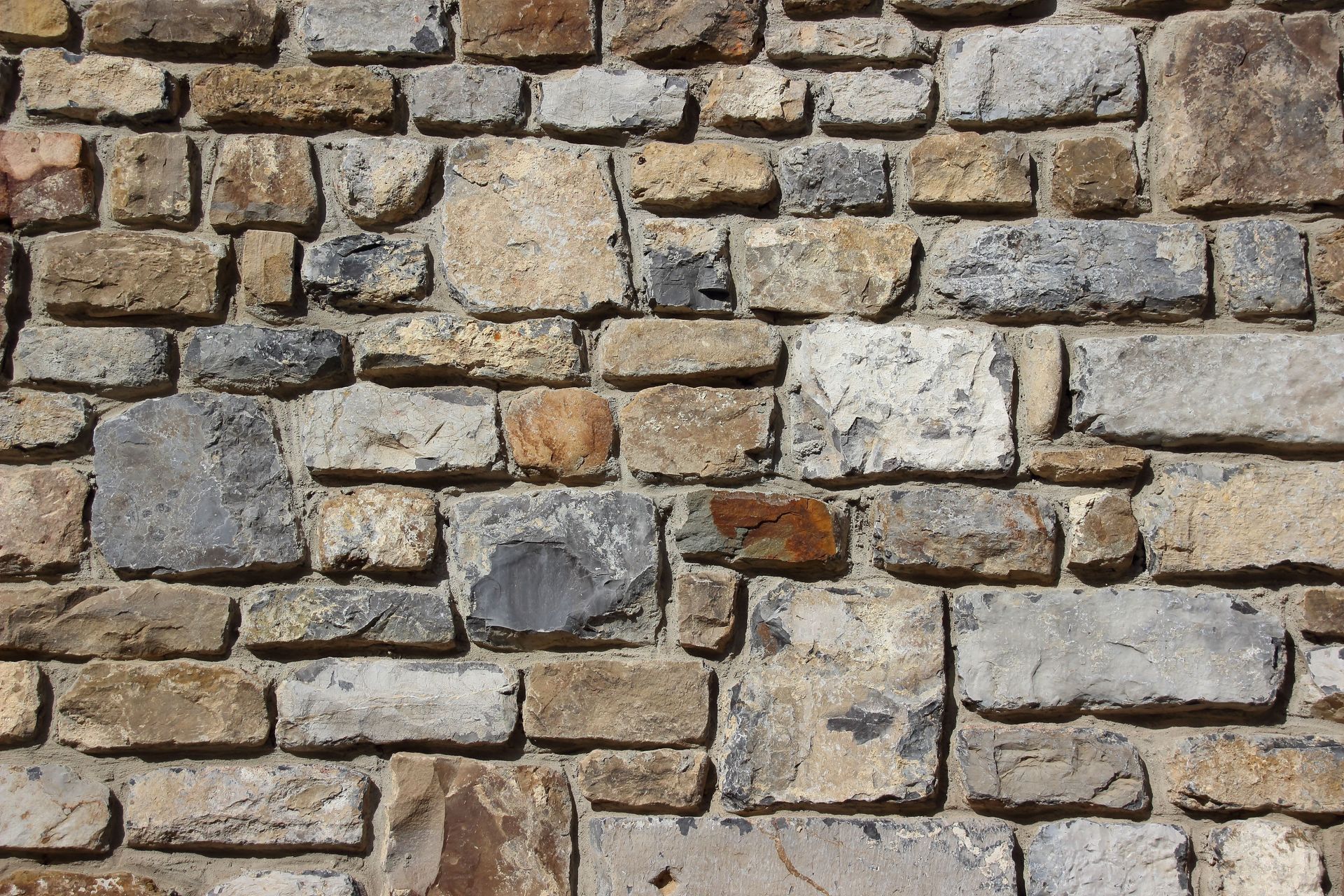
Block systems, poured concrete, and natural stone each offer different installation methods, appearance options, and structural capacities, with material selection based on wall height, site access, and design intent.
How long does a properly built retaining wall last?
Walls constructed with adequate drainage, proper base preparation, and appropriate design for site conditions remain functional for decades, though periodic inspection helps identify drainage issues or soil movement before structural problems develop.
USA Concrete Services evaluates site conditions and grade management needs to provide accurate retaining wall estimates. Discuss your site conditions and drainage concerns with our team to determine the appropriate construction approach.